How to Play Brainrot Card Battles
Rolling, deck building, and battle strategy across worlds and chase rarities.
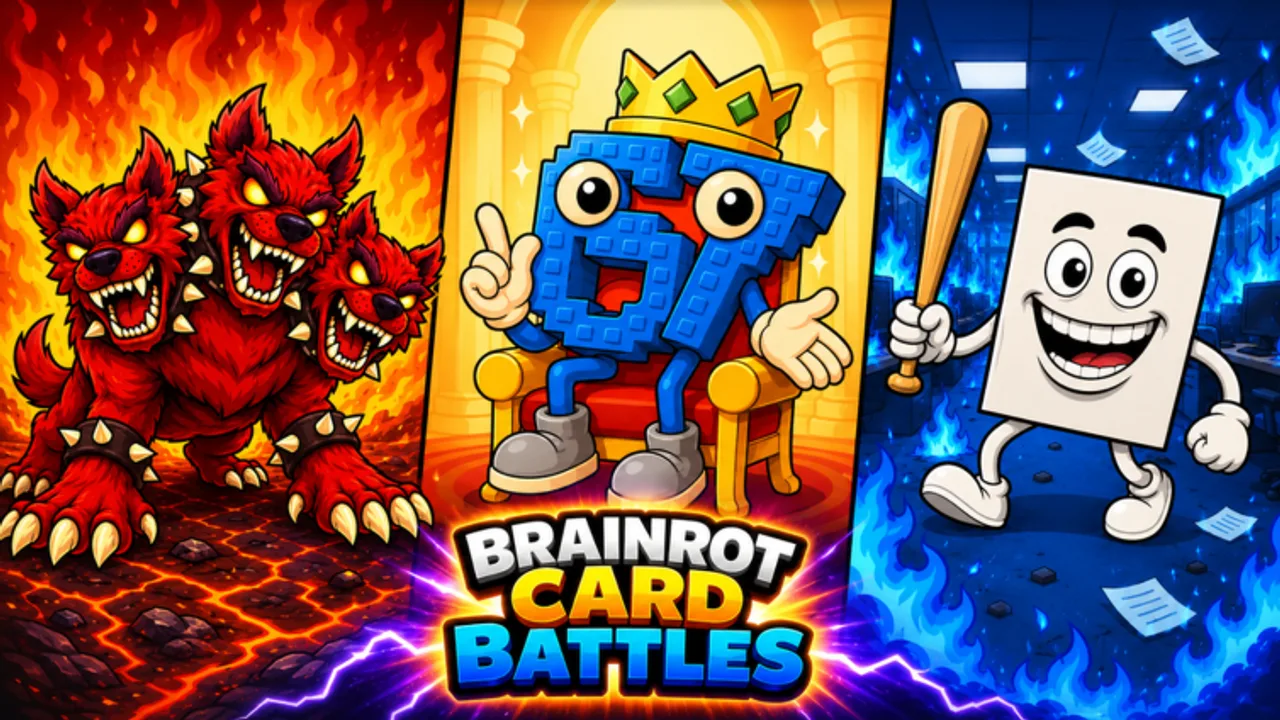
How to Play covers the core loop of Brainrot Card Battles: roll cards, build a deck, fight through world lanes, and reinvest rewards into evolution and tower pushes. Mastering this loop matters more than hoarding codes from Active Codes, though codes accelerate every step.
Rolling and collection growth
Rolling is the gacha heart of the game. You spend roll currency (refilled by time, quests, codes like MEGAROLLS or REROLL, and milestones) to pull cards spanning commons through COSMIC chase units. Luck boosts — including 2XLUCKWEEKEND — shift odds temporarily; use them during uninterrupted sessions.
When rolling, aim for duplicate coverage of rare anchors you plan to evolve, not only highest single-pull power. Italian brainrot theming is flavor; stats and abilities define viability.
Building a battle deck
Decks are limited-size squads you assign before each fight. Typical priorities:
- Frontline — Higher HP cards absorbing hits.
- Damage — Cards with strong single-target or AoE skills aligned to the world weakness.
- Support — Healing, shields, or luck-based proc engines if available in your collection.
Swap pieces after losses instead of raising roll volume blindly. Tier List entries suggest strong templates, but your dupes dictate what is affordable.
Battle flow in world content
World battles are turn-based or semi-auto depending on settings and passes. Read enemy icons before committing cards — many worlds introduce resistances by World 3. Auto-battle (AUTOBATTLE codes help trial this) clears fodder fights while you manage inventory.
Boss gates at world ends check deck DPS and sustain. If timers expire, return after Evolve and Fuse upgrades or level sync from tower rewards.
Resources and inventory management
Coins, evolution shards, fuse materials, and tower keys compete for attention. Spend tower keys in blocks when you can finish multiple floors — see Tower Climb. Evolution mats bottleneck more than rolls by mid-game; farm worlds flagged in Worlds Walkthrough.
SECRET and COSMIC chase strategy
Chase cards define flex slots. Protect them from experimental fuses until you read evolution tables. Showcase SECRET pulls in guild chat when recruiting for Guild Raids — coordination beats solo over-leveling.
Codes inside the loop
Redeem via How to Redeem Codes, then attach rewards to planned sessions: luck during rolling, tower keys during weekend grinds, guild items before war declarations.
Multi-world pacing
The campaign spans roughly seven to ten worlds, each raising stat checks. Return to earlier worlds only for targeted drops, not XP nostalgia. WORLD7 and WORLDSIX codes hint where many players stall; study gate requirements before burning rerolls.
PvE vs guild conflict
Worlds and tower are solo-friendly. Guild wars add scheduled PvP-adjacent pressure. Keep a PvE deck and a war deck if maintenance costs allow; otherwise prioritize PvE until Guild Raids demand PvP stats.
Common mistakes
- Rolling without inventory space for new cards.
- Fusing SECRET dupes before checking future evolution paths.
- Ignoring Controls on mobile leading to mis-taps in manual battles.
- Redeeming codes on throwaway accounts without linking main progress.
Practice routine
Daily: one world push attempt, one tower climb block, one evolution goal. Weekly: guild raid participation and catalog review against tier shifts after UPDATE3-scale patches.
Related reading
Getting Started for account setup, Controls for inputs, Evolve and Fuse for power jumps.
Turn order and targeting depth
When manual control is available, read whether enemy skills telegraph on specific slots. Some world elites focus lowest HP; others focus highest DPS. Rearrange bench order before battle if the UI exposes slot priority. Support cards that cleanse debuffs become mandatory by mid worlds — keep one even if tier lists rank them low for speedruns.
Soft currency sinks
Coins pay for upgrades, shop refreshes, or fuse fees depending on patch economy. Do not hoard coins past upgrade breakpoints while your deck falls below gate DPS. If a world gate expects combined team power, evenly leveling six cards beats maxing one while others lag.
Event and update cadence
Flyingane Fam shipped UPDATE, UPDATE2, and UPDATE3 bands quickly after launch. After each update, re-read Updates for roll pool changes before spending MEGAROLLS. New cards can shift Tier List without changing your old favorites’ nostalgia value — swap only when clears fail repeatedly.
Respectful multiplayer behavior
Roblox experiences share servers with children and adults alike. Keep chat constructive during guild recruitment. Report exploit advertisements instead of clicking them, especially when fake code bots spam variations of BRAINROT strings.
Session budgeting
Split play into redeem, roll, world push, and tower blocks instead of mixing all four—mixed sessions waste TOWER keys when you forget to spend stamina before logout.
Frequently Asked Questions
Quick answers about Brainrot Card Battles and this wiki.
What is the main gameplay loop?
Roll cards, build a deck, clear world battles, then evolve and push tower and guild content.
When should I use luck codes?
During focused rolling sessions when you can use every pull immediately.
How big should my deck be?
Fill required squad slots with tank, damage, and support roles suited to the world weakness.
Are COSMIC cards required to progress?
No for early worlds, but late gates expect evolved rares and often one chase flex card.
Does auto-battle replace learning fights?
It farms easy content, but bosses and tower modifiers still need manual tests.